Guide
Dates: how to choose, serve and cook with them
By Maison Amiry ·
The right dates depend on how you will use them: large, soft dates for guests or breaking the fast, firmer dates for snacking or cooking, and very soft dates for pastes, fillings and blended drinks.
Varieties differ in texture
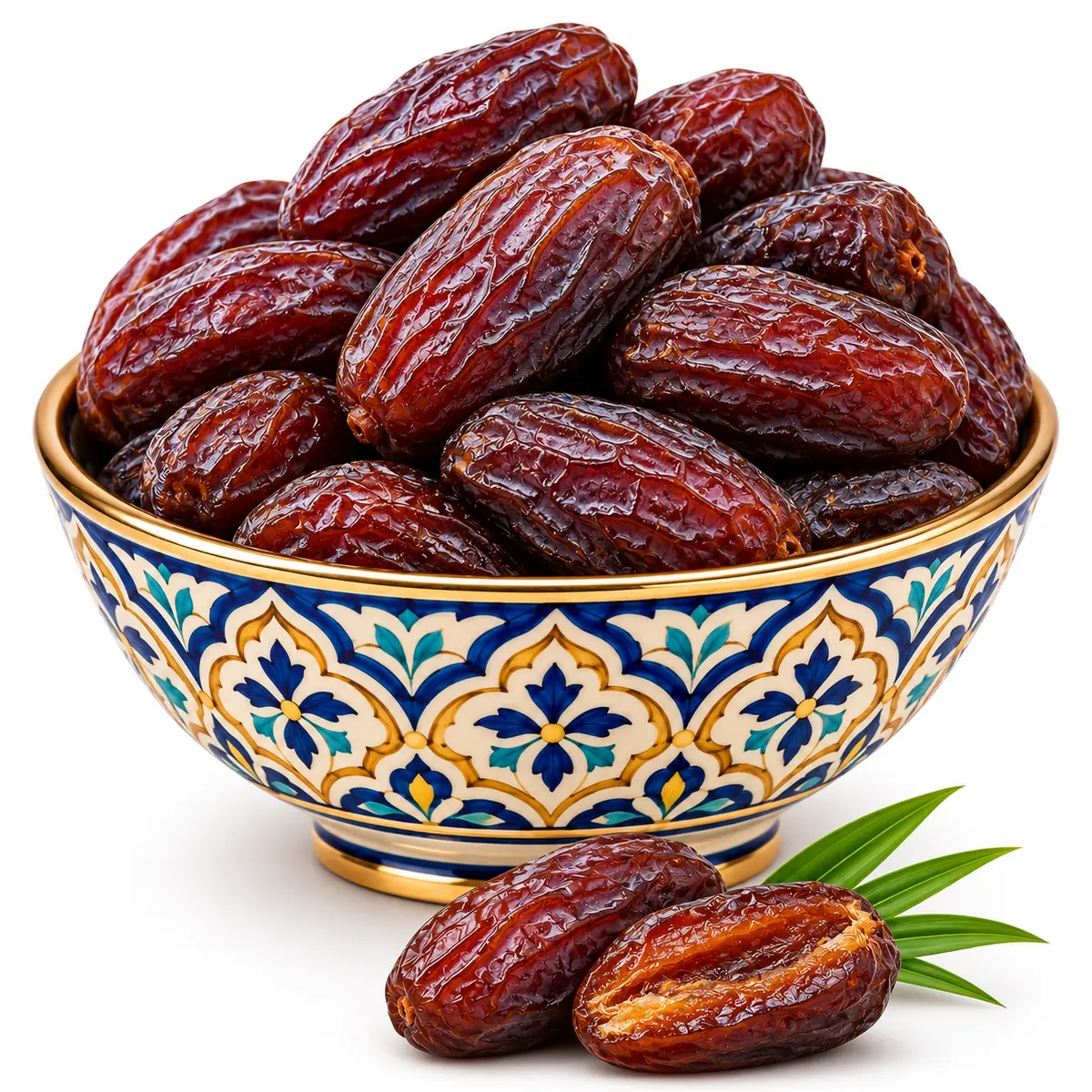
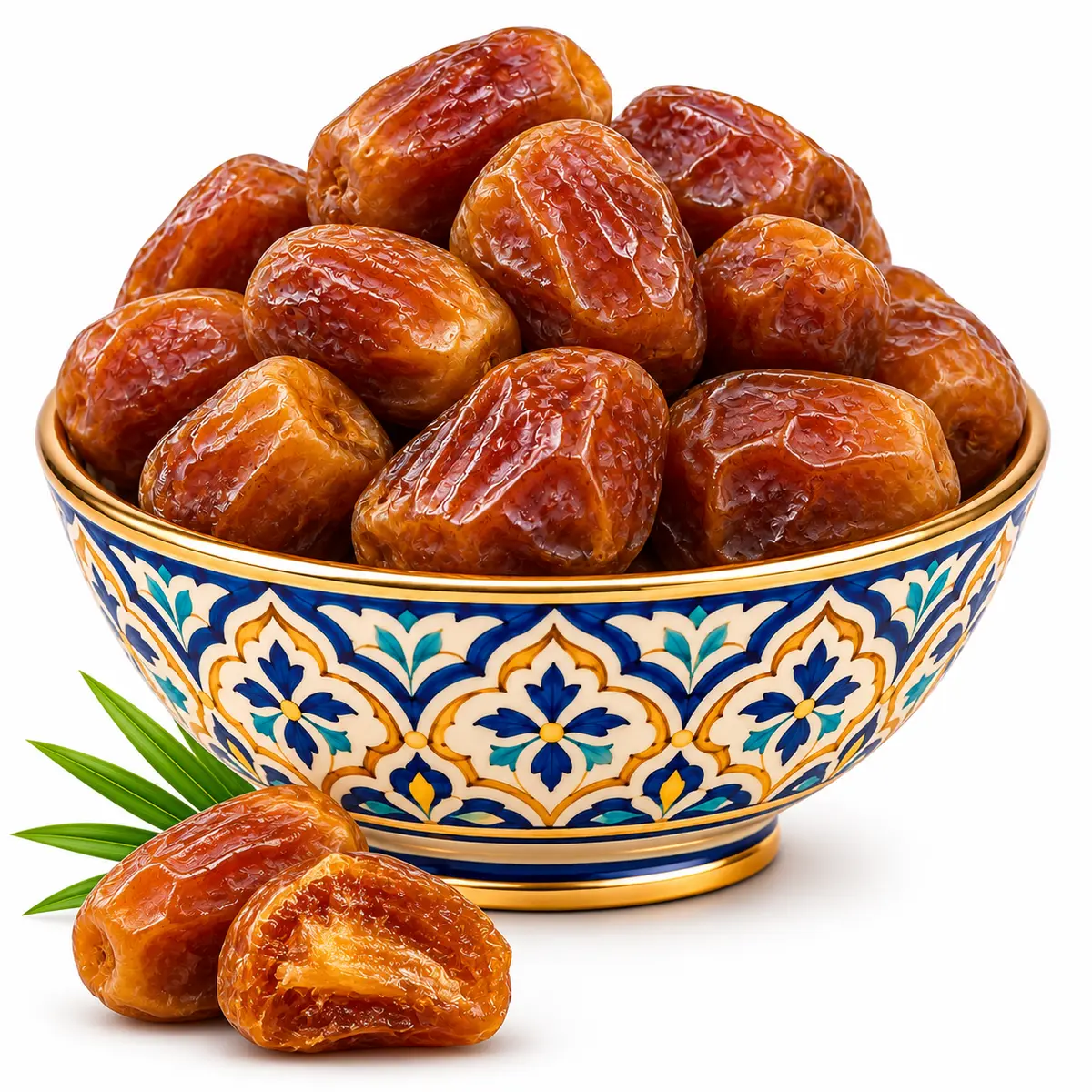
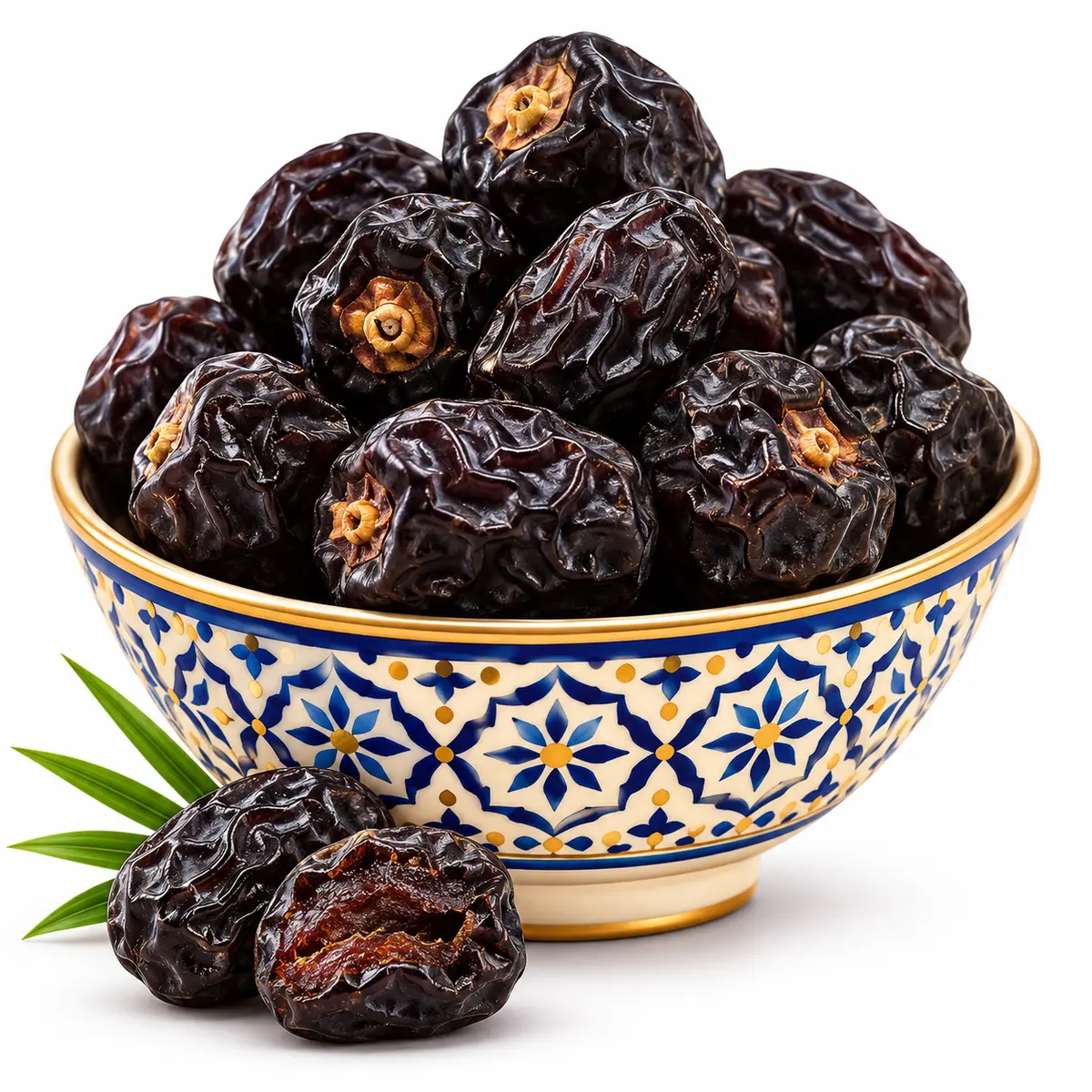
Medjool dates are known for their large size and thick, soft flesh: they are often chosen for guests. Deglet dates are generally thinner and firmer. Ajwa dates are dark and tender.
Each product page states the variety and, where applicable, the grade (for example "Jumbo" or "Grade A"). Rely on this information rather than on how a photo looks.
For iftar and guests
During Ramadan, dates are served with milk or harira when breaking the fast. They are served whole, sometimes stuffed with an almond, almond paste or a walnut.
For a neat presentation, take the dates out of the fridge a little in advance and arrange them on a plate with a few nuts.
In cooking and baking
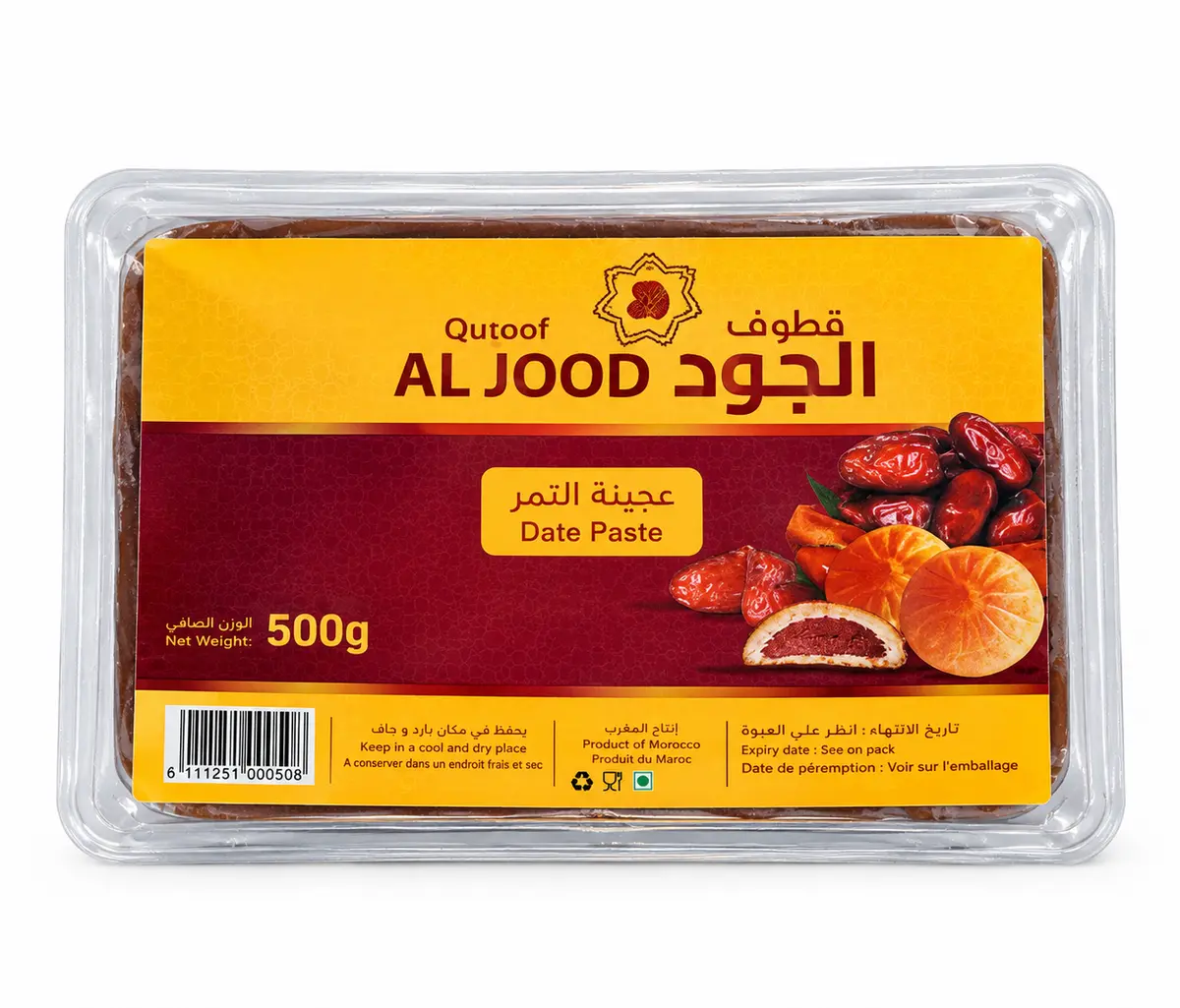
Pitted and mashed, dates make the paste for makrout and many pastries. Blended with milk, they make a thick, sweet drink. Cut into pieces, they can go into a sweet and savoury tagine or a salad.
For blended preparations, choose very soft dates: they are easier to work with.
Storing them
Keep dates in a closed container, somewhere cool and away from moisture; the fridge suits them well. They can also be frozen, which is useful when buying a large quantity before Ramadan.
Frequently asked questions
Which dates should I choose for Ramadan?
For guests, large soft dates such as Medjool are a common choice. For everyday family eating, smaller, firmer dates work very well too.
Can dates be frozen?
Yes. Put them in a tightly closed bag or container; they regain their texture once back at room temperature.
Which dates for date paste or a smoothie?
Very soft dates that are easy to pit and blend. If they are a little dry, soak them for a few minutes in warm water.